HMV/EMI (New Zealand)
EMI (Australia)’s pressing plants served an extensive catalogue that went well beyond the company’s own artists. Until June 1981, EMI also held Australian manufacturing and distribution rights to British Decca, bringing major sellers from two rival British record companies into the same local production operation. Records by The Beatles, Cliff Richard and The Shadows, and The Hollies competed for pressing time with Decca releases by The Rolling Stones, Tom Jones and other leading artists. This gave EMI (Australia) a formidable catalogue, but also a substantial workload as new releases and continuing demand for older titles competed for available capacity.
A major new release could monopolise pressing capacity, compromising the manufacture of back-catalogue records that continued to sell in worthwhile quantities. The pressure therefore extended well beyond Beatles records alone. Contracting production to another manufacturer was a practical way to keep stock flowing, and a standard record-industry practice.
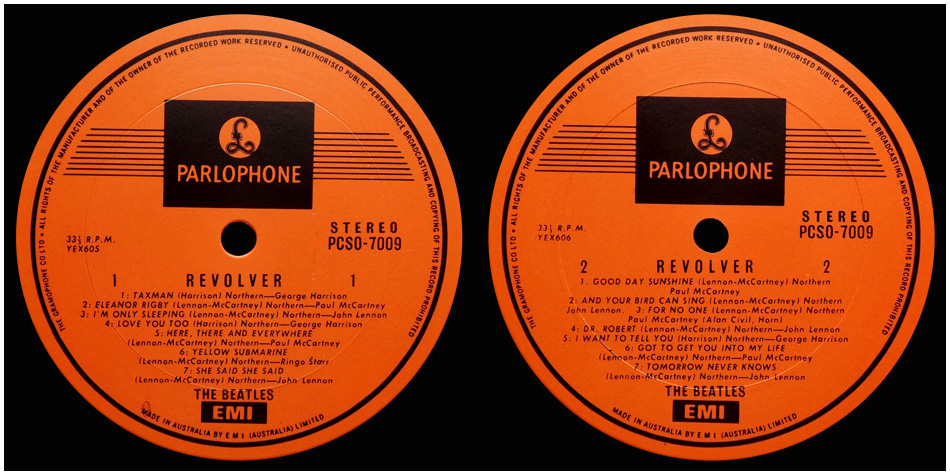
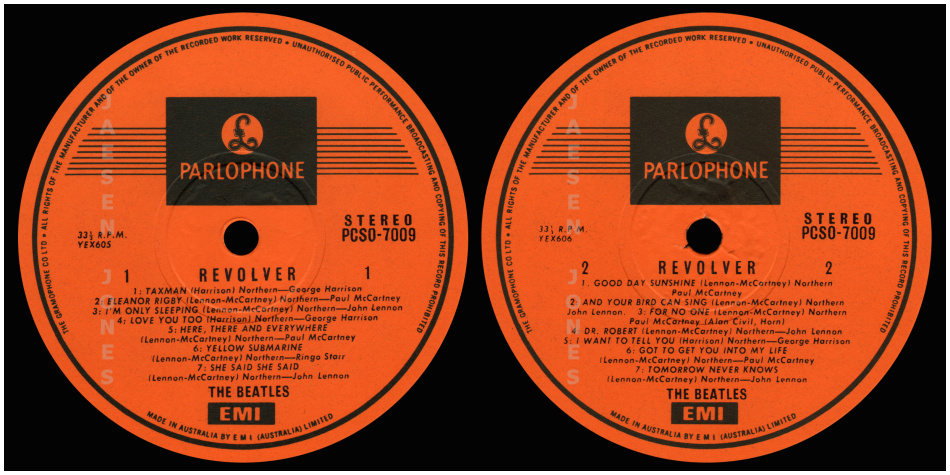
Its most prolific source of outside Beatles production was His Master’s Voice (New Zealand), renamed EMI (New Zealand) on 1 May 1972. Between 1966 and 1987, the company’s Lower Hutt pressing plant regularly supplemented Australian vinyl supplies.
The arrangement suited both operations. While EMI (Australia) sometimes struggled to meet demand, the New Zealand factory had more manufacturing capacity than its domestic market could sustain. In an interview for this website, Peter Jamieson recalled encouraging the pursuit of outside pressing work during his time in New Zealand:
"When I was in NZ I encouraged them [EMI NZ] to seek business wherever they could for pressing because we had to keep the factory busy."